

12 mm toughened glass price
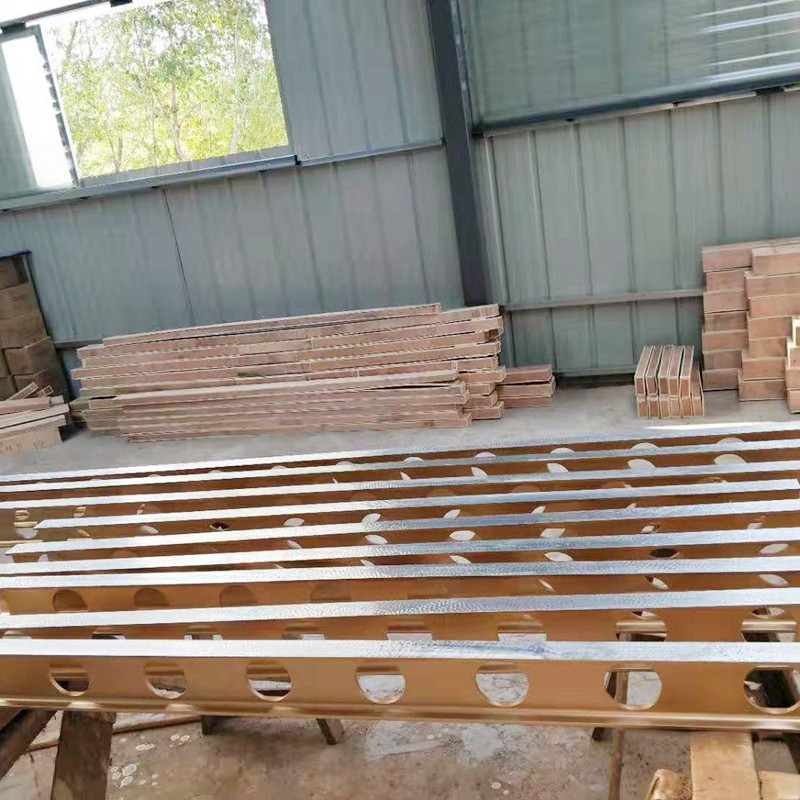
Understanding Metal Fabrication Tables A Key to Precision in Manufacturing In the world of metal fabrication, efficiency and precision are paramount. For professionals in this field, the tools and equipment used can significantly influence the quality of the final product. One often overlooked yet critical piece of equipment is the metal fabrication table. These tables are designed to provide a sturdy and reliable workspace, assisting in various processes such as cutting, welding, and assembling metal components. This article delves into the significance of metal fabrication tables, their features, and their impact on the manufacturing process. The Importance of Metal Fabrication Tables Metal fabrication tables serve as the foundation for many processes in metalworking. Their primary purpose is to offer a flat, stable surface that allows for accurate alignments and measurements. A high-quality fabrication table helps ensure that components fit together seamlessly, which is vital for producing high-quality finished products. Moreover, these tables are not just mere work surfaces; they are engineered for versatility. They can accommodate various tasks, including welding, grinding, and machining, depending on the specific requirements of a project. This adaptability makes them an indispensable asset in any fabrication shop. Key Features of Metal Fabrication Tables When considering the purchase of a metal fabrication table, several key features should be taken into account 1. Material Most fabrication tables are constructed from heavy-duty steel or aluminum. Steel tables are known for their robustness and durability, while aluminum tables are lighter and easier to move, making them suitable for various applications. 2. Surface Finish The surface of the table plays a crucial role in maintaining the quality of the work. Many tables come with a flat and smooth finish, which reduces friction when sliding materials across the surface. metal fab table 3. Load Capacity Depending on the types of projects a workshop handles, the load capacity of a table can vary significantly. Heavy-duty tables can support substantial weights, making them suitable for large metal pieces that require significant handling. 4. Modular Design Many modern fabrication tables feature a modular design, allowing users to customize their setup. This includes adjustable heights, interchangeable surfaces, and the ability to add attachments, like vises and clamps. 5. Clamping Systems Effective clamping systems are essential for holding metal pieces in place during the fabrication process. Fabrication tables often come with built-in clamping features or packages that allow for secure attachment of materials. Impact on the Manufacturing Process The introduction of metal fabrication tables has transformed the manufacturing landscape. A well-designed table can enhance workflow efficiency, reduce the risk of errors, and improve worker safety. By providing a stable and secure platform, these tables minimize the likelihood of accidents and enhance the overall ergonomic conditions. Additionally, with the rise of automation in metal fabrication, tables that integrate with CNC machines are becoming increasingly common. These advanced tables can facilitate smoother transitions between manual and automated operations, leading to increased productivity. Conclusion In conclusion, metal fabrication tables are an essential component of the metalworking industry. Their robust design, versatility, and features tailored to the needs of fabricators make them invaluable in producing high-quality metal products. By investing in a reliable fabrication table, manufacturers can ensure greater precision in their work, ultimately leading to better overall results. As technology continues to evolve, we can anticipate further innovations in fabrication table design, enhancing their functionality and efficiency even more. For anyone in the metal fabrication industry, understanding and selecting the right table is crucial to maintaining a competitive edge in today’s market.
about
12 mm toughened glass price
Understanding Pilot Controlled Check Valves An Overview Pilot controlled check valves play a crucial role in hydraulic systems by ensuring fluid flows in a controlled manner. This type of valve is designed to prevent backflow while allowing for smooth forward flow under certain conditions, making it an essential component in various industrial applications. In this article, we will explore the functionality, advantages, and applications of pilot controlled check valves. What are Pilot Controlled Check Valves? A pilot controlled check valve is a specialized type of check valve that utilizes a pilot line to control its operation. Traditional check valves rely on the pressure of the fluid itself to operate, allowing flow in one direction while preventing it in the opposite direction. However, pilot controlled check valves add an additional layer of functionality by incorporating a pilot signal, usually from a hydraulic pilot line, to modulate the valve's state. When the pilot signal is activated, it can overcome the resistance of the check valve, allowing flow in the reverse direction. This unique feature enables systems to manage flow direction more effectively, especially in applications where changes in flow direction are necessary. How Do Pilot Controlled Check Valves Work? The operation of pilot controlled check valves involves two key components the check valve itself and the pilot control mechanism. The check valve may consist of a poppet or ball design that opens or closes based on pressure differentials. 1. Flow in Forward Direction When fluid flows in the intended forward direction, the pressure is sufficient to keep the check valve open, allowing for continuous flow throughout the system. 2. Pilot Activation When there is a need to change the flow direction or to allow backflow, a hydraulic signal is sent through the pilot line. This pilot pressure acts on a piston or diaphragm, enabling the valve to open against the backward flow. 3. Backflow Prevention If the pilot signal is not present, the check valve remains closed, preventing any backflow. This feature is vital for ensuring safety and efficiency in hydraulic systems, as backflow can lead to equipment damage or inefficient operations. Advantages of Pilot Controlled Check Valves Pilot controlled check valves offer several advantages over traditional check valves 1. Versatility These valves can adapt to different operational conditions, allowing for controlled backflow and flow reversal as required. pilot controlled check valve 2. Enhanced Control By utilizing a pilot signal, operators can manage the flow direction more precisely, enabling complex hydraulic operations without the risk of backflow . 3. Reduced Pressure Drop Since these valves can be opened by a pilot signal, they often maintain lower pressure drops in the system compared to conventional check valves, which can lead to improved overall system efficiency. 4. Improved Safety The prevention of unintentional backflow helps to protect the hydraulic system and its components, mitigating risks associated with pressure fluctuations. 5. Simplified System Design Incorporating pilot controlled check valves can often lead to simpler circuit designs, reducing the need for multiple components and enhancing system reliability. Applications of Pilot Controlled Check Valves Pilot controlled check valves are widely used across various industries, including 1. Mobile Equipment In construction and agricultural machinery, these valves are integral in controlling fluid movement in hydraulic actuators, ensuring smooth operation under varying load conditions. 2. Manufacturing In automated assembly lines, pilot controlled check valves help maintain precise flow control, enhancing equipment performance and safety. 3. Oil and Gas These valves are crucial in offshore and onshore operations, managing fluid movements and preventing hazardous backflows in pipeline systems. 4. Aviation In aircraft hydraulic systems, pilot controlled check valves help manage pressures and fluid flow in critical systems, ensuring safety and functionality during flight. 5. Marine Engineering In marine vessels, these valves facilitate efficient control of ballast and other fluid systems, contributing to vessel stability and safety. Conclusion Pilot controlled check valves are essential components in modern hydraulic systems, offering superior control, safety, and efficiency. Their ability to manage flow direction and prevent backflow makes them invaluable in various applications, from mobile equipment to industrial processes. As technology continues to advance, the versatility and functionality of these valves will likely enhance their importance in hydraulic engineering and industrial applications. Understanding their operation and benefits can lead to more effective use and optimization in various systems, paving the way for innovation in hydraulic technology.
-

High quality industrial productsagement

High quality industrial products
View Details -

Meet the diverse needs of customers

Meet the diverse needs of customers
View Details -

Strict quality control

Strict quality control
View Details -

Top raw materials

Top raw materials
View Details -

Trusted supplier

Trusted supplier
View Details
Our application


news and information
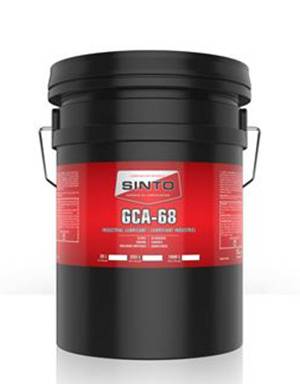
Versatile Thread Gauge for Precision Measurement and Adjustability in Mechanical Applications
Understanding Adjustable Thread Gauges A Tool for Precision Measurement In the world of engineering
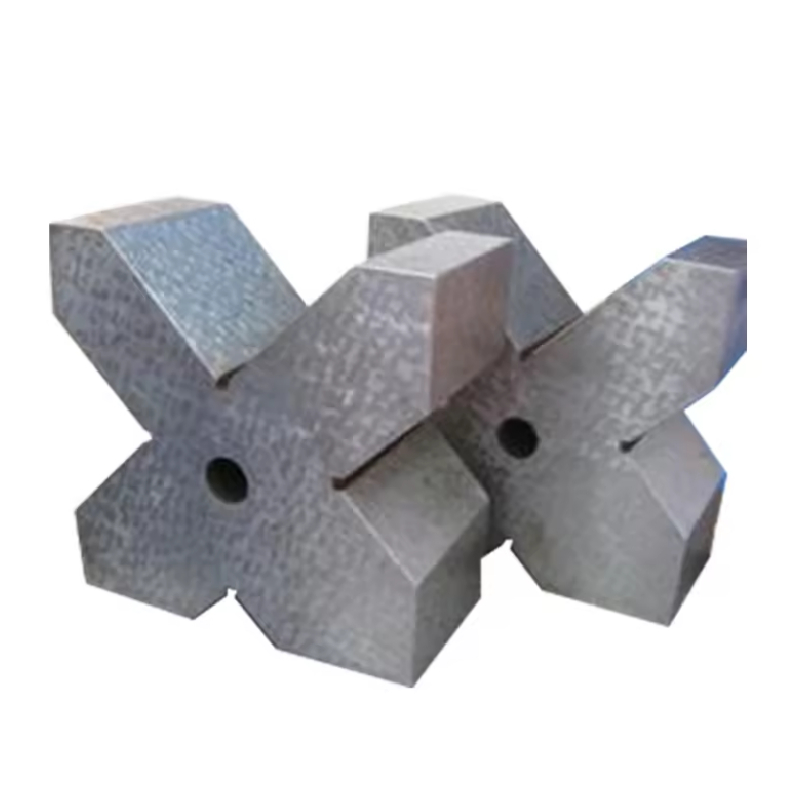
welding table heavy duty
Heavy Duty Welding Tables The Backbone of Metal Fabrication Welding is an essential process in metal
Y Type Water Strainer for Efficient Filtration and Flow Control Solutions
Understanding Y-Type Water Strainers Functionality and Applications Water strainers are essential co
 English